

Bogdan Fireteanu is Managing Partner EMEA at Crowd Favorite. These are his reflections from a recent diplomatic mission to North Africa.
When a government takes on the work of digitizing critical sectors of its economy, such as defense, agriculture, public services, the most consequential decision is not which technology to adopt. It is which kind of partner to invite into the room. Vendors deliver products. Partners deliver outcomes. The distinction sounds academic until you sit across the table from a minister who is personally accountable for the result.
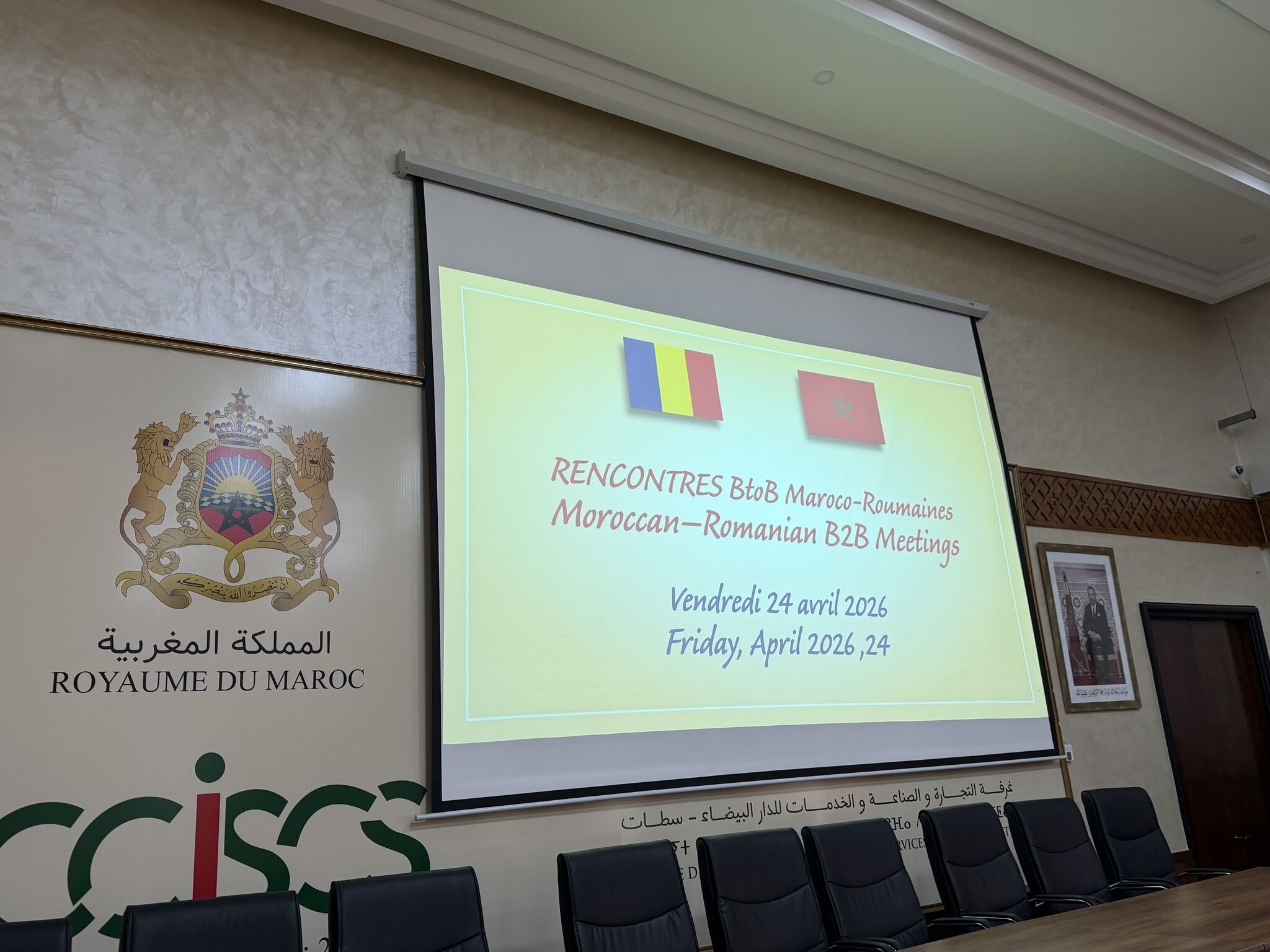
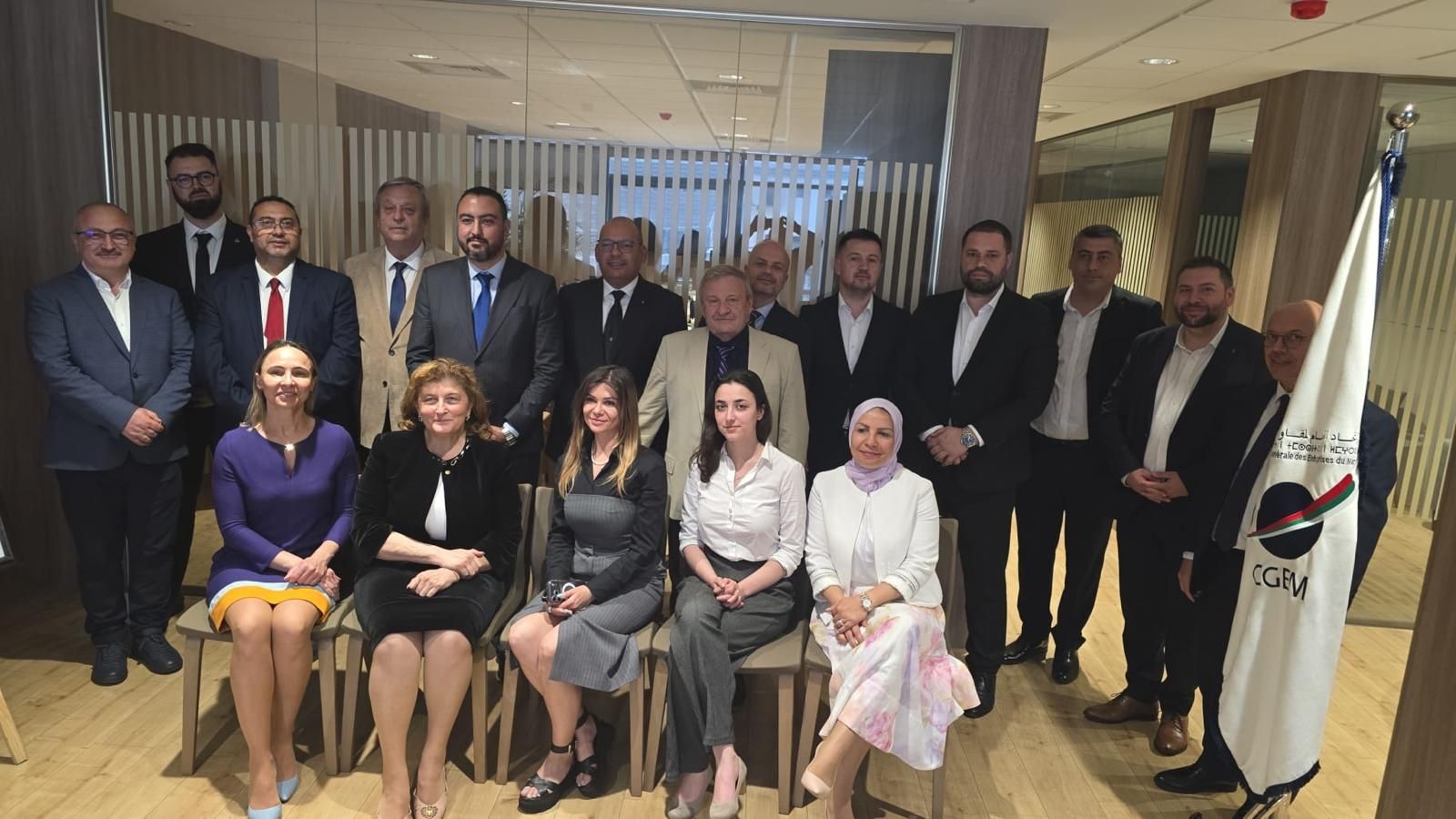
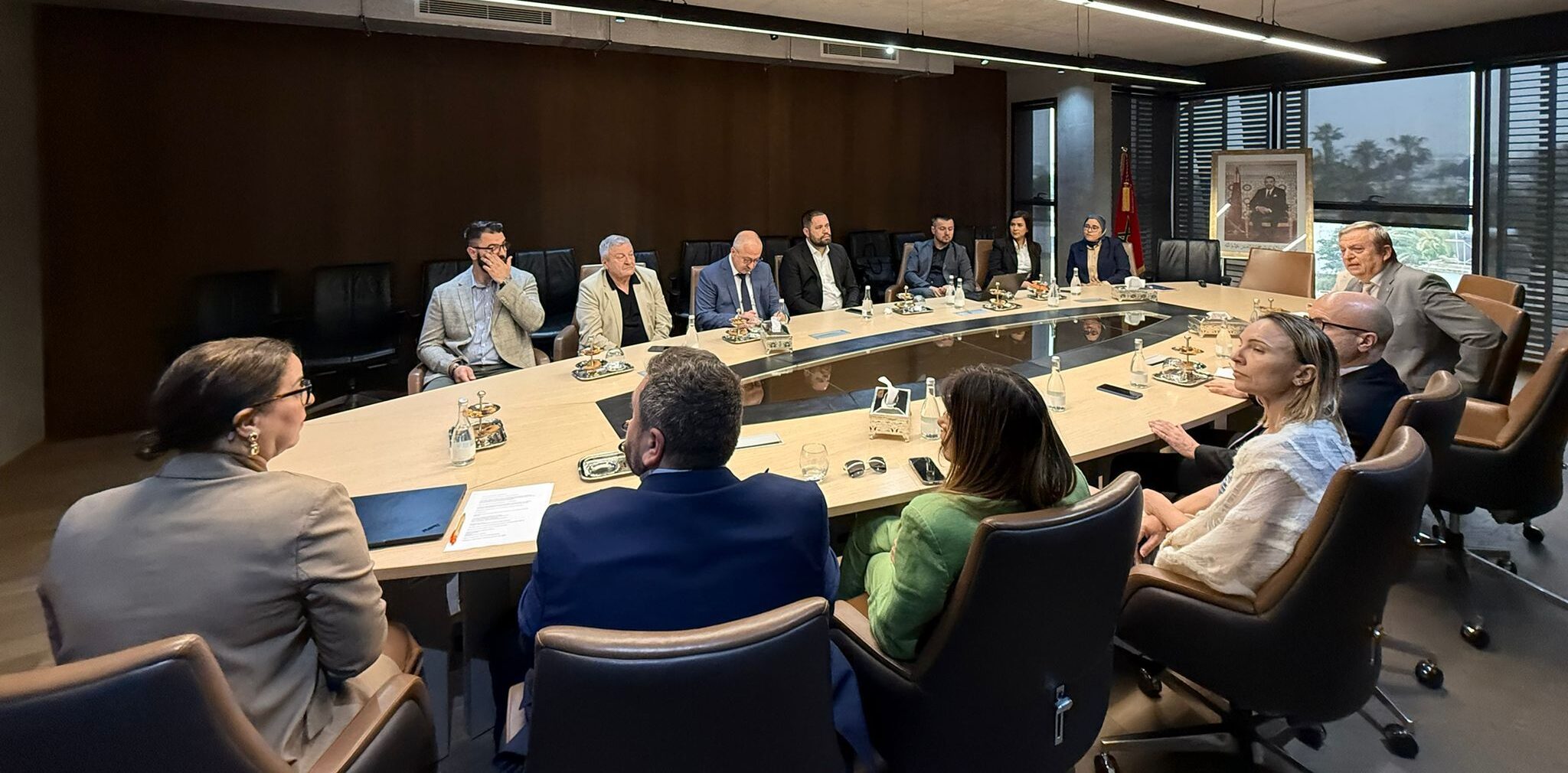
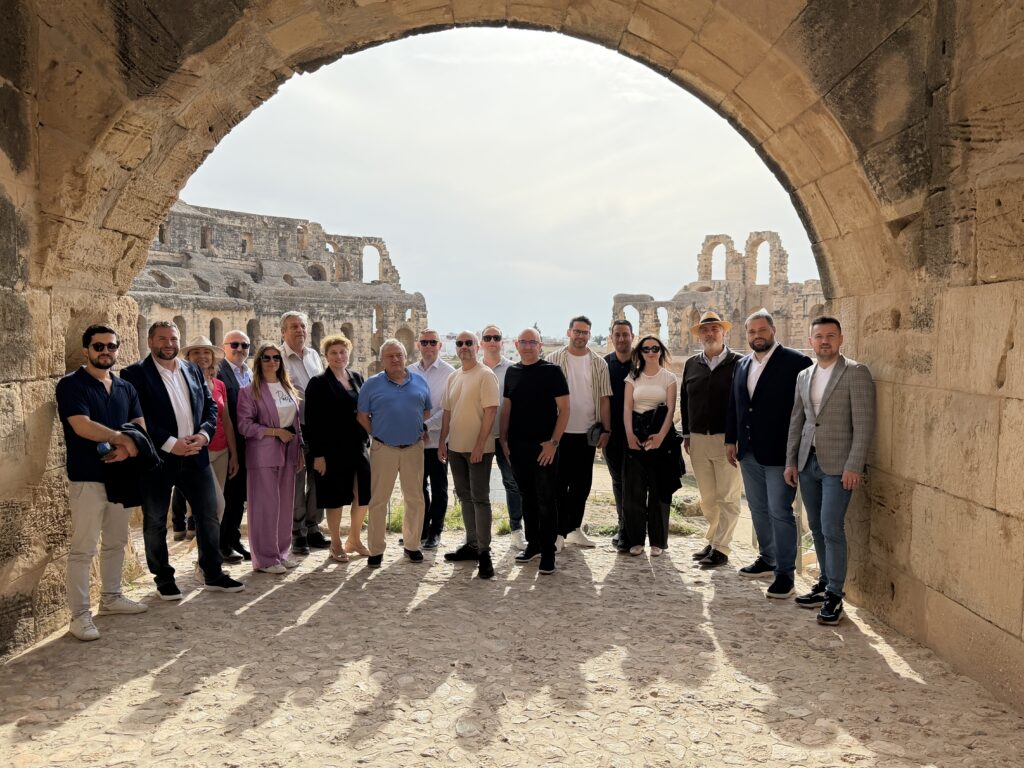
I had the chance to do exactly that recently. As part of a delegation led by the President of the Bucharest Chamber of Commerce and Industry, coordinated by the Romanian Ambassadors to Morocco and Tunisia, I spent several days in conversation with ministers and leaders of governmental organizations. The group also included executives from some of the largest private companies in both countries. The agenda was digital transformation. The deeper subject, repeatedly, was trust.
A Clear Signal from Tunis
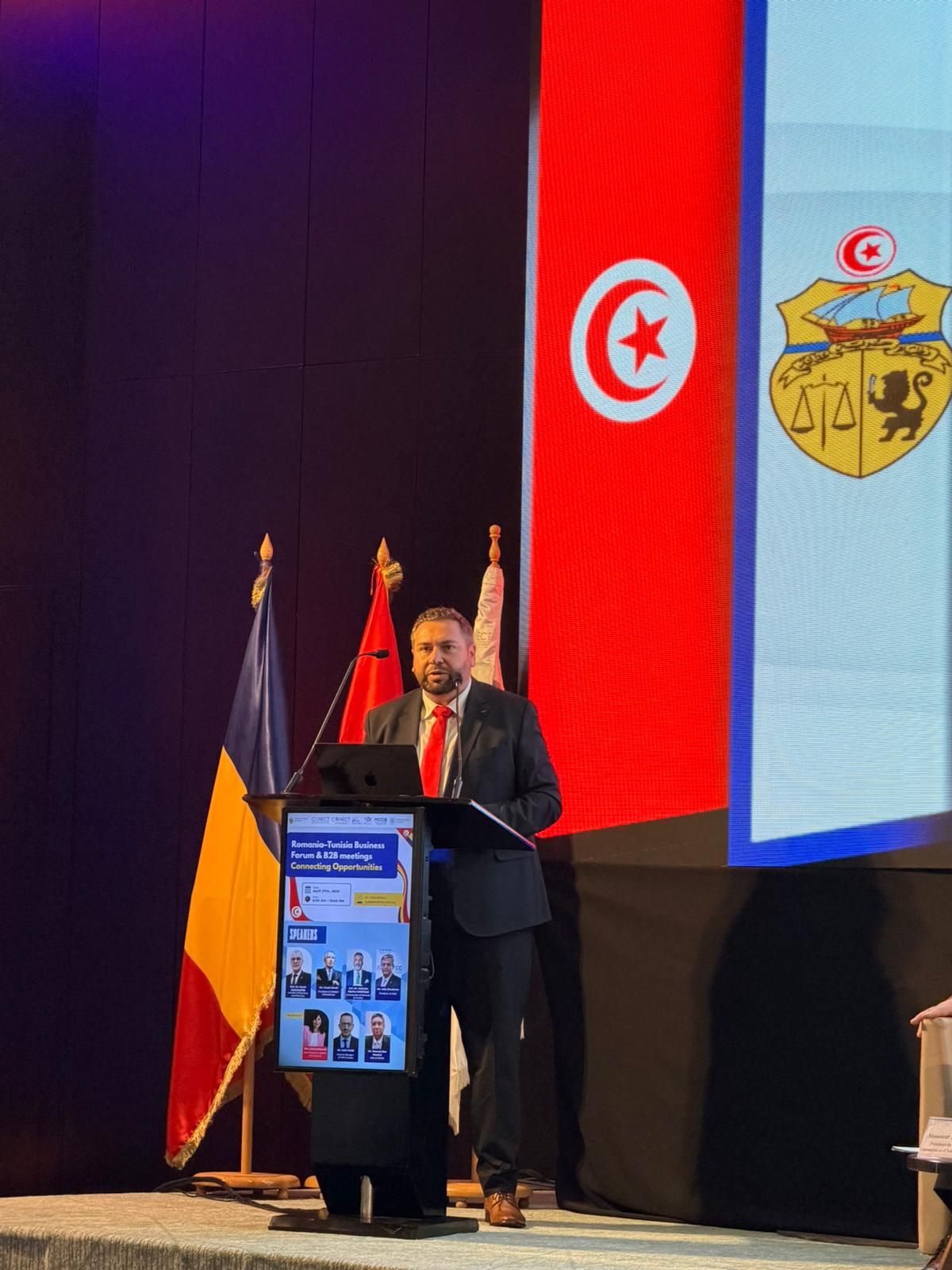
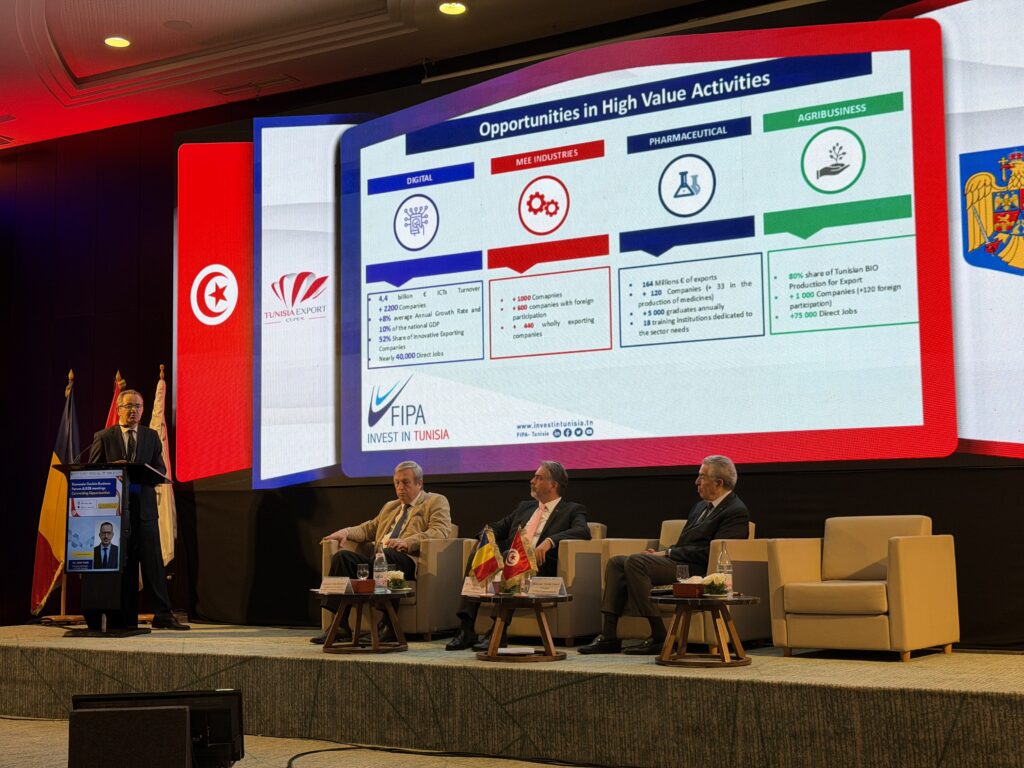
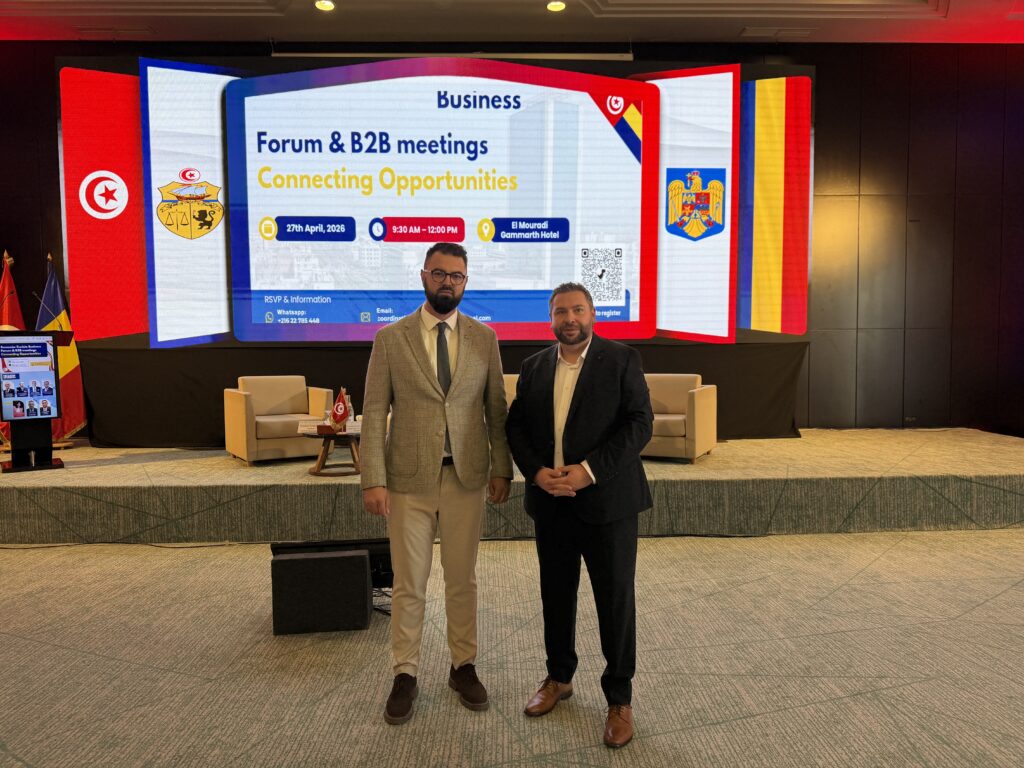
A defining moment of the mission was the business forum. There, the Tunisian Minister of Economy and Planning, Samir Abdelhafidh, openly encouraged European investments. He also underlined the commitment of Tunisian authorities to ensure a stable and predictable business environment. The CCIB delegation included companies active in IT, the defense industry, and agri-food, but the central theme that ran through every conversation was digitalization. We made the case, and our Tunisian counterparts agreed: digital transformation is no longer a vertical of its own. It has become the foundation on which every other industry now stands. It is the layer that drives operational efficiency, automation, and competitiveness across defense, agriculture, manufacturing, and services alike. The Minister’s message, combined with the openness of the local business community, sent a clear signal that Tunisia is actively looking for partners who can help translate this vision into concrete projects.
Advisors, Not Vendors
What struck me across both countries was the clarity with which our counterparts articulated what they were not looking for. They were not looking for a vendor to install a platform and walk away. Nor were they looking for proprietary systems that would lock them into a single roadmap or a single supplier for the next decade. What they wanted were advisors who understood the long arc of digital transformation and could partner with them through it and over time.
This is not a North African phenomenon. It is the same conversation we are having with enterprise leaders across Europe. They are emerging from a generation of proprietary platform decisions and arriving at the questions we have been answering for years. What is striking about the conversations in Rabat and Tunis is the speed at which those better questions are being asked. These are economies that are choosing the model from the beginning. And increasingly, they are choosing open architectures, modular systems, and partners over vendors.

Three Things This Moment Asks For
What I can say with confidence is that the maturity of the European open-source ecosystem, the depth of integration expertise across our region, and the cultural fit between European advisory traditions and the partnership models these governments are seeking create a meaningful opening.
Being useful in that opening requires three things.
First, strategic consulting that helps an organization define not just what to build but why and in what sequence — the roadmap, the priorities, the architecture.
Second, systems integration that connects technologies, data, and processes into something coherent and scalable rather than another collection of disconnected tools.
Third, the capacity to develop dedicated solutions when the off-the-shelf answer does not fit the specific needs of the beneficiary.
Beyond the Original Agenda
Several of the conversations during the visit opened doors into adjacent sectors, including energy, where strategic priorities and digital modernization needs intersect in ways that align closely with our experience. We also received an invitation to attend an event organized by INTERPOL this autumn in South America.
Digital Transformation Is a Partnership Decision
What I take away from the trip is a confirmation of something we have been seeing across markets for some time. Digital transformation is no longer primarily a technology decision. It is a partnership decision. The governments and enterprises that are getting it right are the ones that select their partners with the same care they used to reserve for selecting their vendors — and then expect more from them. North Africa is a clear example of that shift happening in real time, and the opportunity for firms positioned to meet it is significant.
The road, as they say, is only just beginning.
Considering Your
Next Partner?
Crowd Favorite partners with enterprises and governments navigating the long arc of digital transformation. If you’re thinking about who to invite into the room, that’s a conversation we’re built for.